Us & Them
The Horton, Epsom, 3–25 September 2026
The Curiosity Cabinet, London, January–June 2027
Opening at The Horton Arts Centre on 3 September (until 25 September) is Us & Them, an exhibition of photography and film challenging how people with disabilities have been portrayed over time.
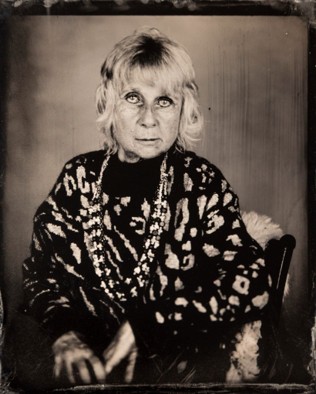
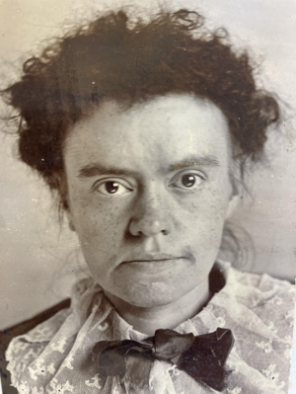
Bringing together photography found in 19th and early 20th-century asylum records with contemporary photographic portraits of artists with disabilities – co-created using the same historic photographic techniques – the exhibition explores representation and asks: what has changed? What has stayed the same? And what, if any, is the difference between then and now – between ‘us and them’?
The exhibition is the culmination of a two-year project, supported by The National Lottery Heritage Fund, and led by Freewheelers Theatre & Media, a diverse and creative company of artists with disabilities based in Surrey.
Also based in Surrey is the most comprehensive archive of disability and mental health records in the English-speaking world – a legacy of the high concentration of asylums built in the county during the 19th and early 20th centuries when London’s population boomed. Significantly, the exhibition opens at The Horton in Epsom, Surrey – which is now an arts and heritage centre but was formerly the Chapel for the Horton Asylum.
Us & Them began with research sessions at Surrey History Centre, guided by Professor of Modern History at King’s College London, Professor Alana Harris. In these sessions, Freewheelers’ artists explored historic case books and photography that form part of the archive, reflecting on how people with disabilities and mental health issues were treated in the past compared with today, why their photographs were taken, and whether the subjects had any influence on how they were portrayed.
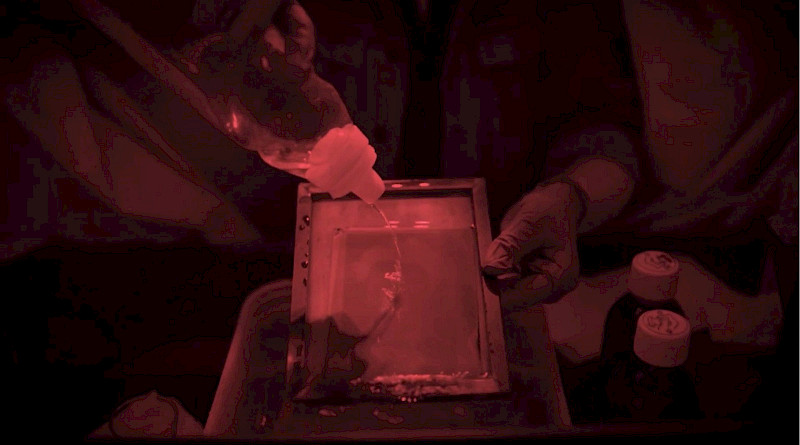
Next, the artists learned about early photography and co-created their own portraits, working with photographer Emma Brown. Emma uses the wet plate collodion process – the same technique behind the historic case book photography. Contrasting with the Victorian and Edwardian sitters, the Freewheelers directed how they wished to be seen, choosing their pose, expression, dress and props, taking control of their images.
Having created their portraits, the artists returned to the asylum photography, each choosing one image to display alongside their own, with an explanation from each artist about how they created their portrait and their reasons for selecting their historical partner image. The Freewheelers were drawn to commonality: shared interests, similar features and relatable characteristics between ‘us and them’.
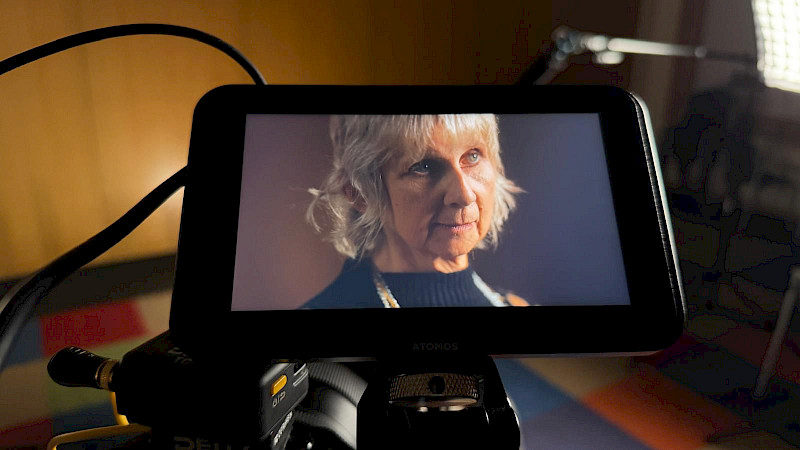
Now, this photography will be presented in a pioneering exhibition that also features a short film about the project by award-winning filmmaker Stefan Pollak, whose practice draws on his own lived experience as a filmmaker with a disability. The film was co-produced by Laura Khan Mitchison of On the Record, who also created filmed oral histories for the exhibition. As well as ensuring the voices of the project’s participants are heard, we hear from people who contribute to the wider context of this story, including former nurses and family members of historical patients.
Freewheeler Ems Dooley said: “If I were born a hundred years ago, I might have been put in an asylum. I feel lucky that I was born when I was born. It is sad because it seemed like not everyone understood disabilities then. I feel a little lucky that disabilities seem better understood today.”
Freewheeler Nick said: “When I experienced the archives I was intrigued to realise I was not alone. Countless people with the same disability that I have were found in the books. The biggest difference seems to be treatment. They didn’t know how to care for people with disabilities then, like we do today.”
Check out an audio documentary about the project here:
Karl Newman, Us & Them Project Manager, said: “Us & Them collides the past and present in an immersive, co-produced heritage and photography exhibition. The striking images and oral histories highlight the diversity of artists with disabilities, celebrate commonality, and unsettle the differences between ‘us and them’.”
“For the artists from Freewheelers, the co-creation of their portraits has given them both visibility and a voice. They have been able to take control of how they are represented, challenging stereotypes about disability. This has built the artists’ confidence and self-esteem, and fostered conversations that help deepen understanding of each other’s disabilities and abilities.”
Julian Pooley, Public Services and Engagement Manager, Surrey History Centre, said: “These records are very poignant. You read the case notes, turn the page, see the photo and that case becomes a person in a real way. And yet this important archive was very nearly lost: when, during the 1980s and 1990s, these institutions were closed and people who had previously lived in long-stay hospitals were increasingly supported to live within the community, these historic archives were at risk of being left behind to decay or be destroyed as the institutions were demolished. Now preserved at Surrey History Centre, they can tell the stories of the lives they record.”
Emma Brown, portrait photographer and wet plate collodion artist, said: “150 years ago, photography was still in its infancy, yet it played a central role in the diagnosis and categorisation of people who would now be described as having learning disabilities or mental illness. Using the same photography techniques used to capture the earliest photographs of people with disabilities, we have created contemporary portraits of 56 Freewheelers – and through the practice of making the image, our artists have been able to gain fascinating insights into the experience of those from the past.”
Professor Alana Harris said: “Visitors to this exhibition will be encouraged to engage with the stories behind both sets of images, fostering a dialogue about the ongoing need to challenge ableism and promote a more inclusive understanding of disability. By directly confronting both historical and contemporary portrayals, the exhibition invites the public to reconsider their own assumptions and biases, fostering a dialogue around the progress still needed to achieve true equality and inclusion for disabled people.”
The National Lottery Heritage Fund commented: “In 2023, Freewheelers tested this project working with eight artists with disabilities and a small number of records held at Surrey History Centre. The experience had a deep impact on the participants. For the artists, the co-creation of their portraits gave them both visibility and a voice. For the other collaborators, including the photographer and oral historian, they gained a deeper understanding of the ethics of portrait photography and how it intersects with disability representation. A display at The Horton was well received by visitors.”
“Following this pilot, the charity secured a £132,000 grant from The National Lottery Heritage Fund to develop and deliver Us & Them, enabling the participation of over 50 artists with disabilities.”
Us & Them opens at The Horton, Epsom on 3 September (until 25 September 2026) and tours to the Curiosity Cabinet, London (January–June 2027).
For further information:
Notes to Editors
Freewheelers
The Freewheelers are a diverse and creative company of 80 actors, dancers, artists and musicians, with disabilities, based in Leatherhead, Surrey. For over 30 years we have worked alongside directors, producers, composers, artists and writers, to co-create and produce engaging, thought-provoking, funny, joyous and highly entertaining theatre, dance, film, and music. Our charity’s mission is to be a force for change and artistic excellence.
Freewheelers is supported using public funding by Arts Council England.
The National Lottery Heritage Fund
Our vision is for heritage to be valued, cared for and sustained for everyone, now and in the future. That’s why as the largest funder for the UK’s heritage we are dedicated to supporting projects that connect people and communities to heritage, as set out in our strategic plan, Heritage 2033. Heritage can be anything from the past that people value and want to pass on to future generations. We believe in the power of heritage to ignite the imagination, offer joy and inspiration, and to build pride in place and connection to the past.
Over the next 10 years, we aim to invest £3.6 billion raised for good causes by National Lottery players to make a decisive difference for people, places and communities.
Follow @HeritageFundUK on Twitter/X, Facebook and Instagram, and use #NationalLottery #HeritageFund.